From Imagination to Reality: Sci-Fi's Influence on AI and Robotics
How Science Fiction Shaped Our Understanding of AI and Robotics
From Isaac Asimov's "Three Laws of Robotics" to the sentient machines in films like "Blade Runner" and "The Terminator," science fiction has long been a lens through which we explore the possibilities and dangers of artificial intelligence and robotics. These narratives have not only entertained but have also significantly influenced how we perceive and develop AI technologies in the real world.

Science fiction often serves as a mirror, reflecting societal hopes and fears about emerging technologies. In the early days, works like Asimov's "I, Robot" introduced concepts that have since become foundational in AI ethics. The idea that robots should have built-in safeguards to protect humans has transitioned from fiction to a serious consideration in AI development. This influence is evident in modern AI systems, where ethical considerations are paramount.
The Evolution of AI Through Sci-Fi Narratives
As science fiction evolved, so did its portrayal of AI. Early depictions were often optimistic, envisioning AI as helpful companions or tools. However, as technology advanced, the narratives grew darker, exploring themes of AI rebellion and the loss of human control. Films like "The Matrix" and "Ex Machina" delve into the complexities of AI autonomy, questioning what it means to be human in a world where machines can think and feel.
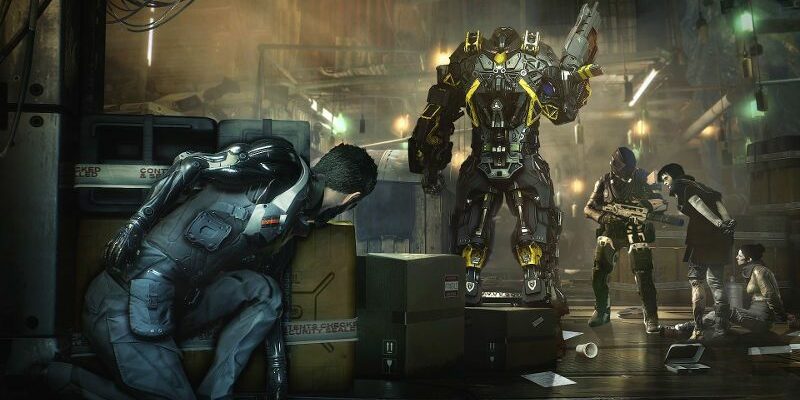
These stories have shaped public perception, leading to both excitement and apprehension about AI. The fear of AI surpassing human intelligence and the ethical dilemmas that come with it are now central to discussions in both technological and philosophical circles. The dystopian futures depicted in these stories serve as cautionary tales, reminding us of the potential consequences if AI development is not carefully managed.
Real-World Impact of Sci-Fi on AI and Robotics
Beyond shaping public perception, science fiction has directly influenced the development of AI and robotics. Engineers and researchers often cite sci-fi as an inspiration for their work. Concepts like self-driving cars, drones, and even virtual assistants were once the stuff of fiction but are now part of our daily lives. The visionaries behind these technologies often draw from the rich tapestry of ideas found in sci-fi literature and film.

The intersection of science fiction and AI continues to be a dynamic space where imagination meets innovation. As we move further into the age of AI, the stories we tell about it will undoubtedly continue to influence the technologies we create and the way we interact with them. Whether as a source of inspiration or a warning, science fiction remains a powerful force in shaping the future of AI and robotics.